
Our Commitment to Quality Treatment in California
Recovery is strongest when people have access to safe, ethical, and supportive environments — and that includes the treatment services many individuals rely on before, during, or after their time in recovery housing. CABAT is committed to promoting high‑quality treatment practices that respect individuals, strengthen recovery outcomes, and support long‑term wellness.
We believe that treatment should empower people, not overwhelm them. It should be grounded in dignity, transparency, and respect for each person’s unique path.
What Good Treatment Looks Like
While treatment approaches vary, high‑quality programs tend to share several core principles:
- Person‑Centered Support
People deserve care that recognizes their strengths, goals, and lived experiences. - Safety and Stability
A safe environment — physically and emotionally — is foundational to recovery. - Ethical and Transparent Practices
Clear communication, honest expectations, and respect for client rights are essential. - Qualified, Compassionate Staff
Teams should be trained, supported, and committed to ethical care. - Connection to Community and Recovery Resources
Treatment works best when it helps people build supportive networks and long‑term recovery pathways. - Respect for Autonomy
Individuals should be active participants in their own recovery journey.
CABAT supports treatment environments that uphold these values and contribute to meaningful, sustainable recovery.
Our Role in Strengthening Treatment Quality
CABAT is not a regulatory body, but we are a statewide coalition dedicated to improving the landscape of recovery housing and related services. Our work includes:
- Promoting ethical standards across the recovery housing community
- Sharing information about best practices
- Supporting operators who want to improve the quality of care
- Advocating for policies that protect residents and strengthen recovery outcomes
- Elevating the voices of people with lived experience
We believe that when treatment and recovery housing work together with integrity, people have a far better chance at long‑term success.
Featured Perspective
We regularly highlight commentary, insights, and thought leadership related to treatment quality, recovery outcomes, and the broader recovery ecosystem in California.
These pieces help spark conversation, elevate lived experience, and deepen understanding of the issues that shape recovery pathways across the state.
Read more below.
California’s Addiction Treatment System Is Changing—We Must Protect Access to Care
California’s Addiction Treatment System Is Changing—We Must Protect Access to Care
By Pete Nielsen
California Consortium of Addiction Programs and Professionals (CCAPP)
On behalf of the California Consortium of Addiction Programs and Professionals (CCAPP), I would like to thank the Department for its transparency and openness during these early stages of discussion surrounding the implementation of the ASAM Criteria, Fourth Edition in California. We appreciate the Department’s recent behavioral health workgroup meeting and the thoughtful overview of anticipated changes to the levels of care.
This level of engagement is invaluable as providers, policymakers, and stakeholders begin preparing for what will ultimately be a significant evolution in California’s substance use disorder (SUD) treatment continuum. Early dialogue between regulators and providers is essential to ensuring that implementation strengthens the system without unintentionally disrupting access to care.
CCAPP also wishes to acknowledge and commend the Department’s continued commitment to aligning California’s treatment system with ASAM standards and evidence-based care. Updating our system to reflect modern clinical guidance is critical to improving outcomes for individuals struggling with substance use disorder.
One particularly important step forward is the formal recognition of ASAM Level 3.7. This level of care has long existed in practice but has lacked clear policy recognition in California. The absence of formal recognition has contributed to persistent challenges, including denials for medically necessary services.
This issue was explored in my previous article, “California’s Detox Blind Spot: Why Failing to Recognize ASAM 3.7 is Costing Lives.” Aligning with ASAM in this area represents meaningful progress for both providers and patients.
However, as the Department begins shaping the policy framework for implementation, it is important to raise several concerns early in the process. While alignment with ASAM is an important goal, rapid structural changes without careful transition planning could unintentionally destabilize the existing provider network and create new gaps in care.

Concerns Regarding the Elimination of ASAM Level 3.2 and Stand-Alone Detox Services
One of the most significant potential changes involves the elimination of ASAM Level 3.2 withdrawal management as a stand-alone service. While integration of services is a worthwhile goal, the practical implications for California’s treatment infrastructure must be carefully examined.
Impacts on Provider Network Stability
Many current detoxification providers may not be operationally capable of transitioning into higher levels of care due to time, logistical, facility, staffing, licensing, or certification constraints. Without a clear transition pathway, some providers may be forced to discontinue services entirely, reducing access to withdrawal management services at a time when demand remains high.
Additionally, residential facilities that historically relied on external detox providers—or that do not offer withdrawal management at all—may be forced to artificially increase staffing levels if the elimination of Level 3.2 requires residential programs to meet detox standards regardless of whether they actually provide those services.
Such requirements could further destabilize an already strained workforce in behavioral health.
The impact on small residential facilities serving rural communities could be even more severe. Many programs with six or fewer beds already face difficulty obtaining insurance coverage for withdrawal management services. If these facilities are forced to obtain higher-level licenses requiring detox coverage—even when they do not provide detox services—the insurance and operational requirements could force many rural providers to close their doors.
In practice, this would reduce treatment accessibility in communities that already face significant service shortages.
At present, it is also unclear what it would mean operationally for every bed in a residential facility to be considered a potential detox or withdrawal management bed. Before eliminating Level 3.2 entirely, these accessibility and implementation concerns deserve careful evaluation.
Notably, the ASAM Criteria themselves emphasize the importance of maintaining access to withdrawal management services. As the Fourth Edition notes:
“The goal is not to eliminate these programs [stand-alone withdrawal management programs] but rather to ensure that they are fully integrated with comprehensive addiction treatment services, which may occur through formal affiliations with other providers and programs.”
Integration should not come at the cost of reduced treatment capacity.
Licensing and Certification Implications
Another area requiring clarity is the relationship between licensing and certification structures.
The Department has acknowledged that it is not feasible at this time to overhaul California’s licensing system. However, the removal of detox as a stand-alone service could significantly reshape the certification framework.
Because detoxification and withdrawal management are primarily addressed through certification standards, eliminating Level 3.2 may effectively require all detox providers to obtain certification in order to continue operating. For many providers, this would represent a major operational shift—particularly given the potential implications for incidental medical services (IMS) requirements.
Greater clarity on how certification pathways will function under the new system will be essential.
The Role of Recovery Support Services in ASAM 4th Edition
While much discussion of ASAM Fourth Edition understandably focuses on clinical levels of care, it is equally important to consider the role of recovery support services (RSS).
The Fourth Edition places increased emphasis on recovery-oriented systems of care (ROSC) and long-term recovery management. In fact, it introduces Level 1 recovery management services, which support remission monitoring and long-term recovery stability.
The ASAM Criteria note:
“The Fourth Edition advocates for recovery-oriented systems of care by including standards that identify recovery support services that should be available directly or through partnerships at each level of care, while promoting ongoing remission monitoring and recovery management check-ups.”
As California moves toward ASAM alignment, ensuring that recovery support services are meaningfully integrated into implementation planning will be critical to achieving the model’s full intent.
Recovery Support Services and Behavioral Health Parity
Recognizing recovery support services is also an important step toward achieving true parity between substance use disorder treatment and mental health care.
In recent years, the mental health system has made meaningful progress in recognizing recovery-oriented supports, including programs such as Clubhouse models, which are increasingly recognized as evidence-based practices.
Yet similar recovery environments for individuals with substance use disorders—such as recovery cafés, recovery community centers, and peer-led recovery organizations—are rarely explicitly recognized within funding or policy frameworks, despite strong evidence supporting their effectiveness.
Addressing this gap would ensure that individuals recovering from substance use disorders have access to the same types of long-term, community-based recovery supports that are becoming more common within the mental health system.
Measuring Recovery Outcomes
In addition to recognizing recovery support services within the continuum of care, California should also consider how to measure recovery outcomes more effectively.
Tools such as the Recovery Capital Screener (RCS-36) provide validated methods for measuring recovery capital—defined as the personal, social, and community resources that support sustained recovery.
Research consistently demonstrates that higher levels of recovery capital are associated with improved long-term outcomes, including reduced relapse rates, greater stability, and improved quality of life.
Studies examining recovery community centers and peer-driven recovery supports have also shown significant improvements in recovery engagement and social connectedness.
Incorporating recovery capital measurement into California’s system of care would allow recovery support services to be evaluated and strengthened through data-driven approaches, ensuring they remain an integral part of treatment planning.

The Role of Recovery Residences
Another critical component of the ASAM Fourth Edition is the clearer recognition of recovery residences.
Recovery housing plays a vital role in stabilizing individuals during and after treatment, helping them maintain engagement in care and build sustainable recovery lifestyles. The Fourth Edition more clearly distinguishes recovery residences as a supportive component within the broader continuum of care.
As California moves toward ASAM alignment, it will be important to recognize the role of National Alliance for Recovery Residences (NARR) standards in establishing best practices for recovery housing certification and operation.
Supporting high-quality recovery residences strengthens the recovery ecosystem and improves long-term treatment outcomes.
Moving Forward: A Thoughtful Transition
California’s effort to align with the ASAM Fourth Edition represents an important opportunity to modernize our treatment system and strengthen evidence-based care. However, successful implementation will require careful planning, stakeholder engagement, and a thoughtful transition process.
Policies must ensure that reforms enhance clinical quality without destabilizing the provider network or reducing access to services—particularly in rural and underserved communities.
CCAPP appreciates the Department’s continued collaboration with stakeholders and looks forward to working together to ensure that implementation strengthens California’s substance use disorder treatment system while preserving access to care.
Our goal in raising these concerns early is not to slow progress—but to help ensure that progress is sustainable, equitable, and effective for the individuals and families who depend on these services.
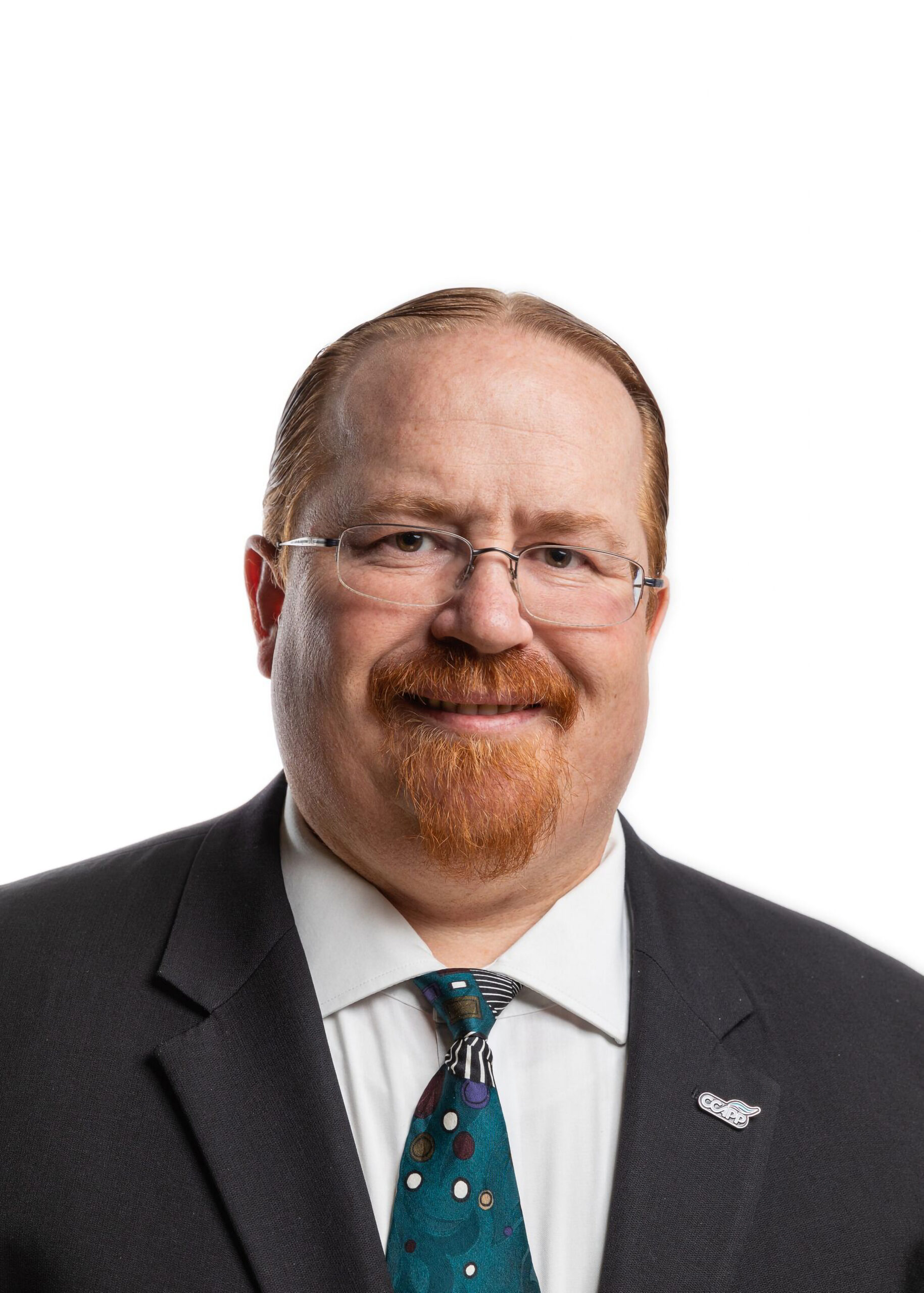
Pete Nielsen
CEO of the California Consortium of Addiction Programs and Professionals (CCAPP)
Pete Nielsen is the Chief Executive Officer for the California Consortium of Addiction Programs and Professionals (CCAPP), CCAPP Credentialing, CCAPP Education Institute and the Behavioral Health Association of Providers (BHAP). CCAPP is the largest statewide consortium of addiction programs and professionals, and the only one representing all modalities of substance use disorder treatment programs. BHAP is the leading and unifying voice of addiction-focused treatment programs nationally. Mr. Nielsen has worked in the substance use disorders field for 20 years.
In addition to association management, he brings to the table experience as an interventionist, family recovery specialist, counselor, administrator, and educator, with positions including campus director, academic dean, and instructor.
Mr. Nielsen is the secretary of the International Certification and Reciprocity Consortium, and on the publisher for Counselor magazine. He is a nationally known speaker and writer published in numerous industry-specific magazines. Mr. Nielsen holds a Master of Arts in Counseling Psychology and a Bachelor of Science in Business Management.

Our Work
CABAT strengthens recovery housing through advocacy, education, and collaboration with local and statewide partners.
Get Involved
Join our growing coalition of operators, advocates, and community leaders working to protect and expand recovery housing in California.